01
Newfoundland
The water dogs
Early working dogs became valued partners for fishermen, known for their willingness to work in and around cold water.
From working the cold waters of Newfoundland to the genetics behind those unmistakable silver coats. There is more to a Labrador than meets the eye.
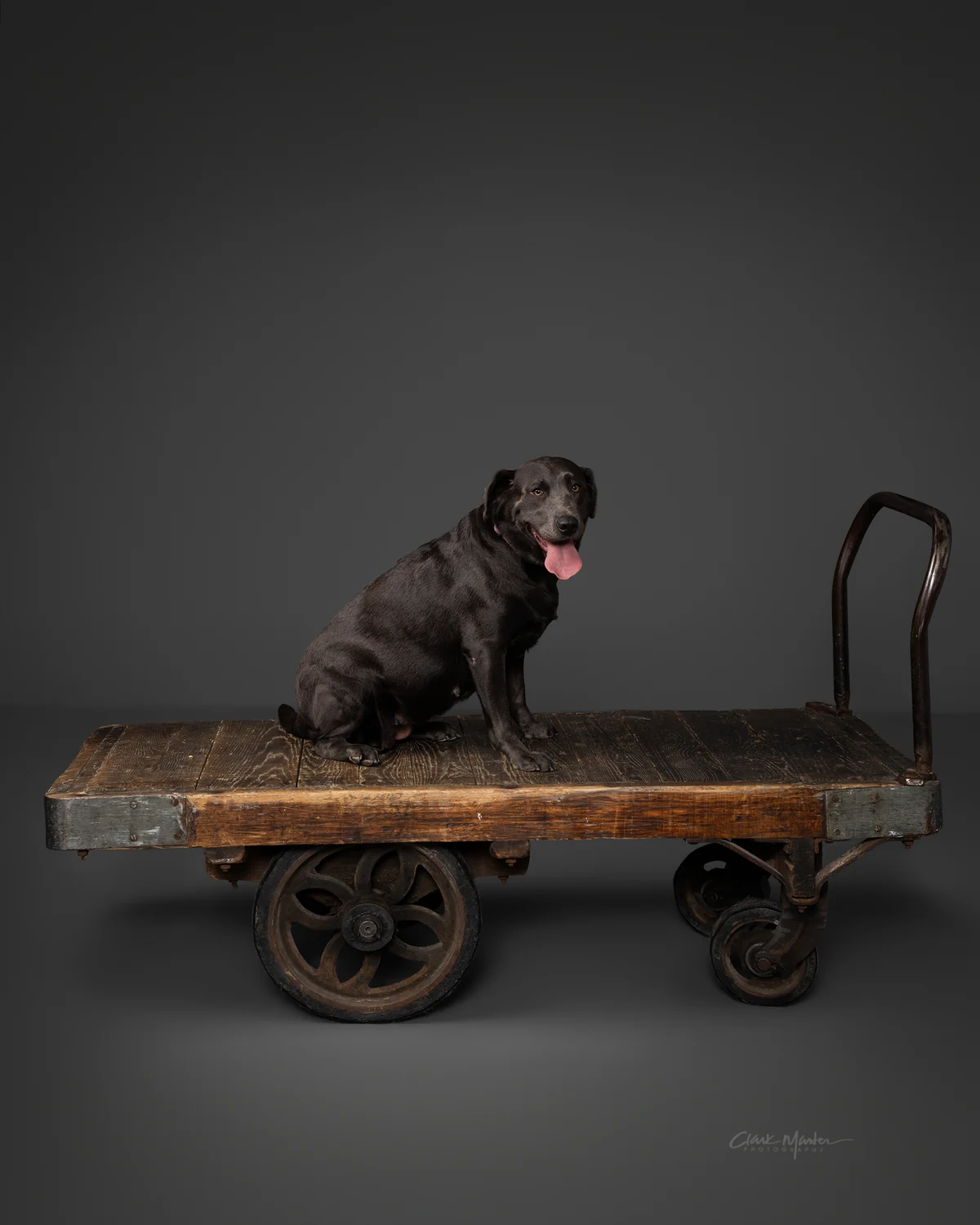
A Labrador's story begins not in Labrador, but on the island of Newfoundland.
The breed's ancestors were hardworking water dogs known as St. John's dogs. They helped fishermen around the water and excelled at retrieving. In the early 1800s, English sportsmen brought these capable dogs across the Atlantic, where generations of breeding shaped the Labrador Retriever we recognize today.
Early working dogs became valued partners for fishermen, known for their willingness to work in and around cold water.
British sportsmen brought the smaller Newfoundland water dogs to England and developed them as skilled retrievers.
The Kennel Club in England officially recognized the Labrador Retriever as a breed.
The American Kennel Club first registered the Labrador Retriever. The breed went on to become a cherished working dog and family companion.
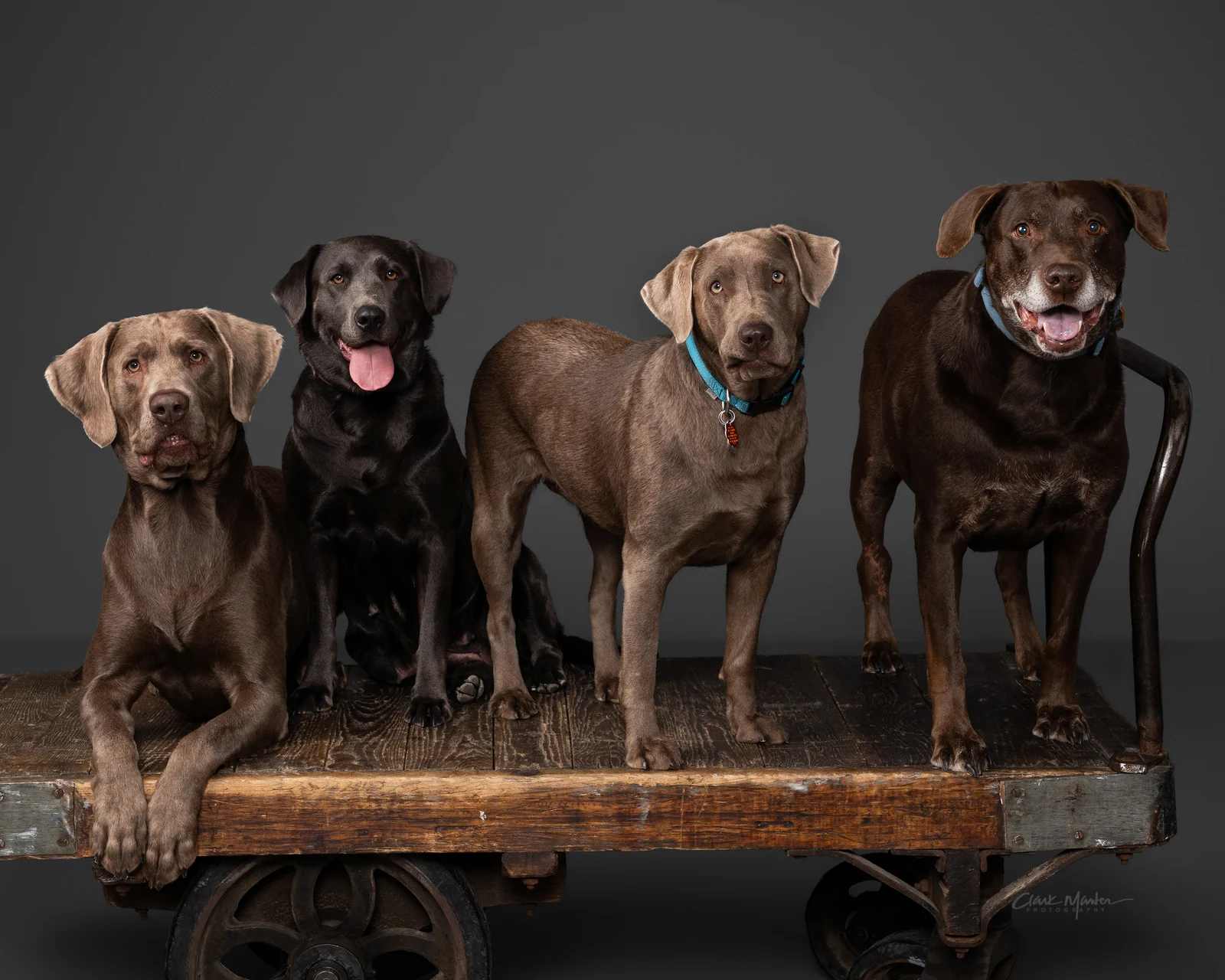
A retriever's working heart. A companion's place at home.
That soft, smoky coat has a scientific story. The gene is called melanophilin — abbreviated MLPH — and it helps move pigment inside cells. Certain variations can make dark pigment appear lighter, creating the shades people call silver or charcoal.
The D-locus dilution trait modifies darker pigment. Black may appear charcoal or blue-gray, while chocolate may appear silver.
Generally, a dog needs two dilute variants to show the diluted color. A dog with one may carry the variant without looking dilute.
Appearance alone cannot establish a dog's DNA results, pedigree, or health-testing status. Those require separate documentation.
These are common descriptive names for dilute coat appearances in Labradors, not additional AKC-standard coat colors.
Often described as a smoky, dark gray coat.
A lighter, silvery variation of chocolate pigment.
A term used for some dilute yellow Labradors; changes to the nose and other dark pigment can be more obvious than changes to yellow hair.
Think of the gene as a pair of instructions, one inherited from each parent. This simplified example uses one dilute variant; laboratories can distinguish several known MLPH variants.
The history and genetics on this page are sourced from established kennel organizations and veterinary genetics researchers. They are educational information, not individual test results for any Bridger Mountain dog.
A beautiful coat catches your eye. The dogs themselves are why we love this breed.
Our dogs